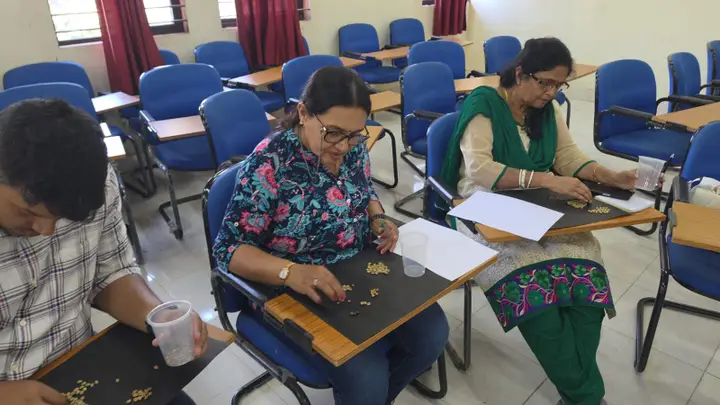
Early ripening of Robusta cherries raises quality, yield concerns among Kodagu coffee growers
Robusta coffee cherries in Kodagu are turning red nearly two months ahead of schedule amid a prolonged rainfall deficit, leaving growers concerned about shrinking berries, declining bean quality, financial losses and the impact on next year's harvest.

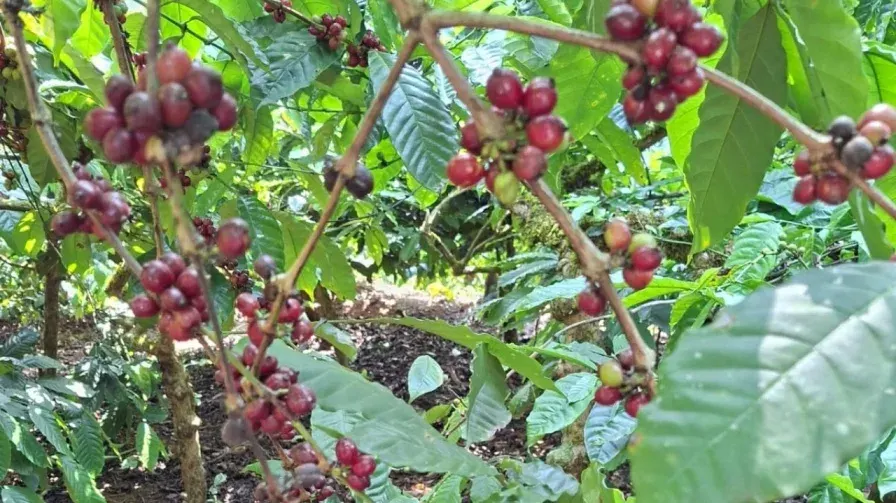
Madikeri/Virajpet: Kodagu’s coffee growers are facing an unusual harvest season, with Robusta cherries turning red nearly two months earlier than usual, raising concerns over bean quality, financial returns and the prospects of next year’s crop.
The premature colour change has added to the difficulties of growers already struggling with losses caused by a prolonged rainfall deficit. Several growers have reported cherries partially ripening on the plants, while berries in some estates are shrivelling and drying up due to inadequate moisture.
Robusta coffee, which accounts for more than 60% of Karnataka’s coffee-growing area, is traditionally harvested from mid-December to February. This season, however, cherries began changing colour as early as mid-October, catching growers off guard.
The development has left growers worried about the quality of the produce. Fully matured cherries are essential for processing good-quality parchment coffee, which fetches better prices in the market. Harvesting partially ripened berries can result in greater weight loss during processing, poor-quality beans and reduced earnings.
“The cherries are turning red before they have fully developed. The beans are already smaller because of the lack of rain, and harvesting them at this stage will only increase our losses. But waiting also carries the risk of the berries drying up on the plants,” Ranji Poonacha, a coffee grower from Virajpet told The Kodagu Express.
Growers believe erratic weather patterns during September and October have contributed to the problem. They point to spells of unseasonal rainfall followed by prolonged periods of bright sunshine, which may have disrupted the normal development of coffee berries. The lack of adequate rainfall during the crucial berry-growing period, followed by intermittent showers, is also believed to have triggered the early change in colour.
With coffee cultivation serving as the principal annual source of income for several small and medium-sized growers, the situation has placed them in a difficult position. They must decide whether to commence harvesting early and risk compromising quality or wait for the cherries to mature fully, potentially exposing the crop to further damage.
“The problem is not limited to this year's harvest. The prolonged rainfall deficit has affected two consecutive years of coffee crops, and the impact on the plants could also be felt in the next season. The government must step in with financial assistance and measures to support growers facing mounting losses,” Prasad Belliappa, another grower from Madikeri, told The Kodagu Express.
Growers fear that harvesting immature cherries could also affect plant health and subsequent flowering and fruit development, potentially reducing yields in the following season.
They have urged the government to assess the damage caused by the rainfall deficit and extend assistance to the coffee-growing community, particularly small and medium-sized estate owners who depend heavily on the annual harvest.

More in Coffee & Agriculture